THE TORNADO SWAP JOURNAL
A clearer path.
Before you swap.
Know your networks. Understand your quote.
Make your next move with a little more clarity.
66 published guides · Page 1 of 6
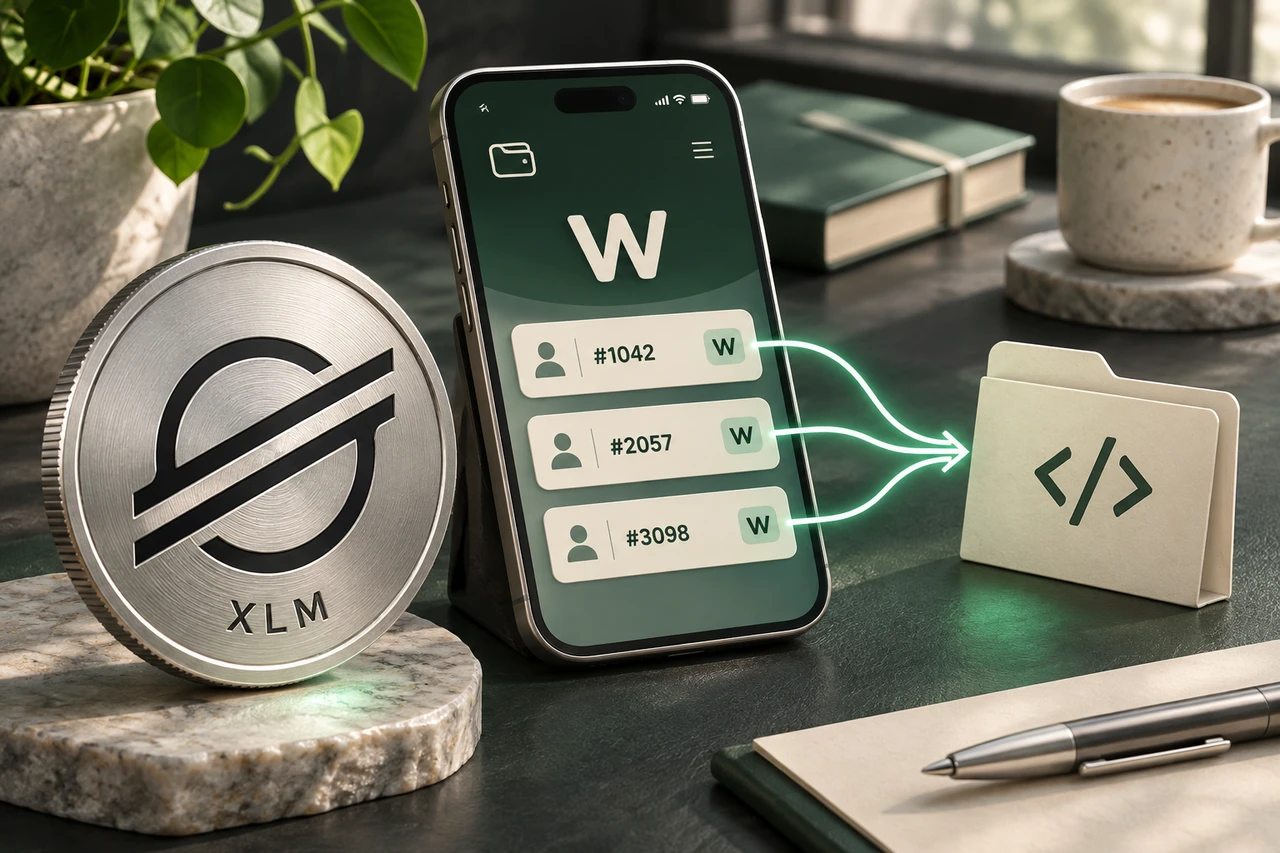
Stellar’s Bell upgrade is live: what changes for wallet addresses
Stellar confirms Bell is live on mainnet. Learn what W-prefixed contract addresses mean and what to check if a wallet rejects a destination.
More to know

CFTC staff explain how crypto can count toward operating reserves
A November 23 CFTC staff advisory explains how Bitcoin, Ether and certain stablecoins may count toward operating resources for U.S. derivatives venues.

Hong Kong publishes bill to regulate four more crypto services
Hong Kong’s November 20 bill covers crypto dealing, advice, management and custody. See what is proposed and how to check a platform’s current licence.
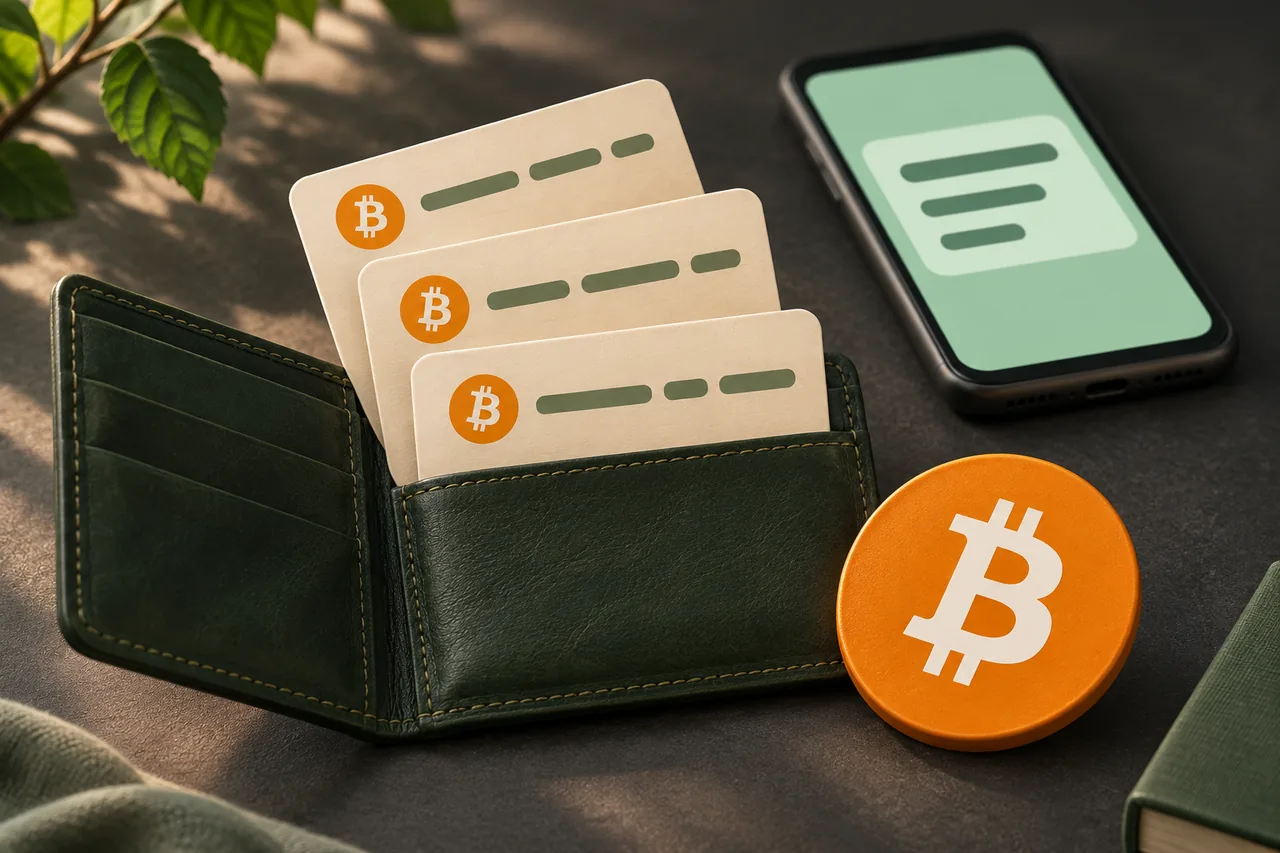
Why does my Bitcoin wallet show a new receiving address?
See how one Bitcoin account can receive at several addresses, how to check an earlier address in your wallet, and what to do if the details disagree.
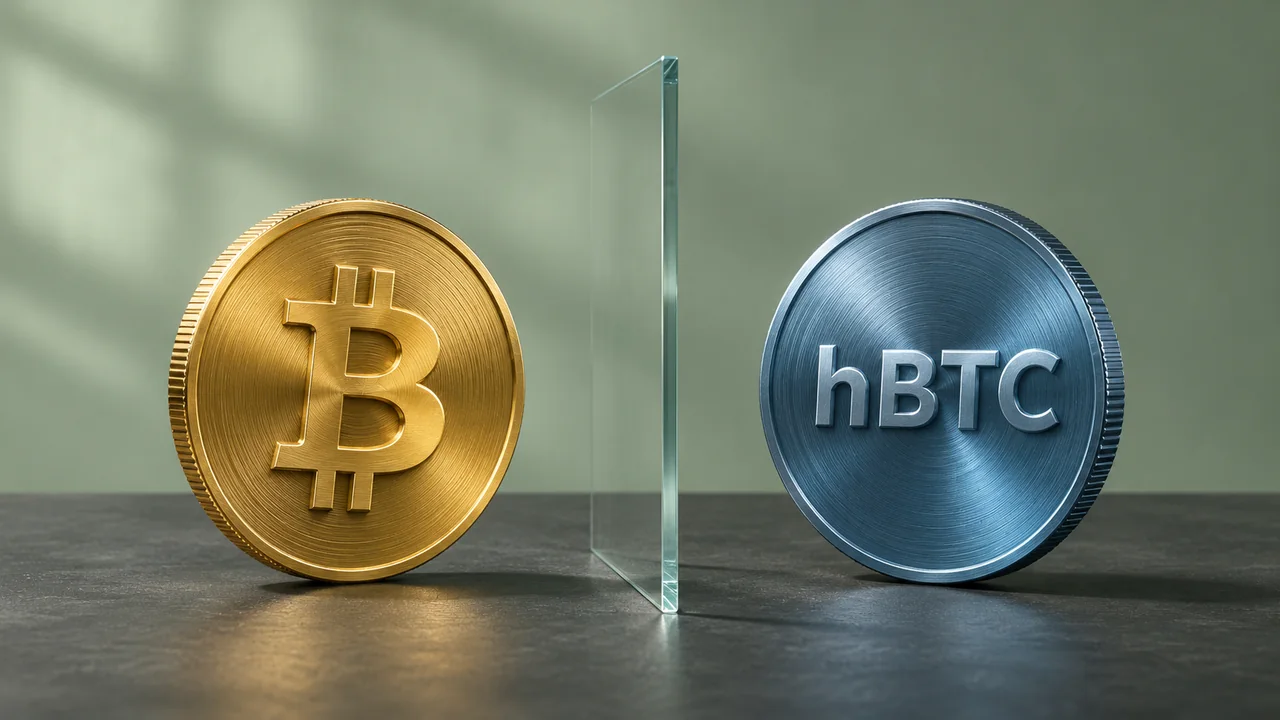
Sui confirms Hashi is live with bitcoin-backed hBTC
Sui confirmed that Hashi is live. Learn where the bitcoin is held, how hBTC redemption works, and why a USDC loan against hBTC can still be liquidated.
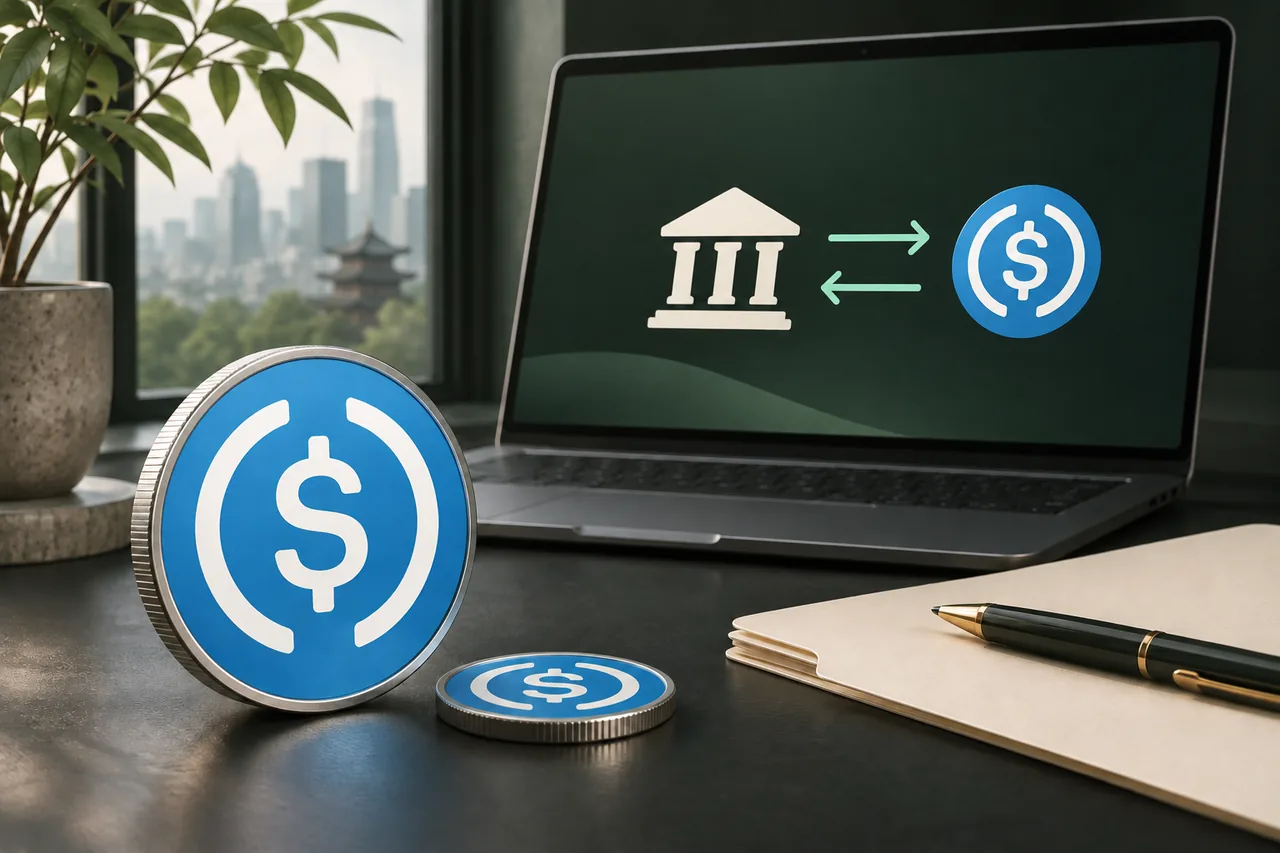
DBS and Circle announce institutional USDC access in Asia
The November 18 announcement describes institutional USDC access through DBS. What the settlement claim means and which transfer details still need checking.
Aave App opens Android early access and adds USDT deposits on TRON
Aave Labs opened Android early access on November 17 and added USDT deposits on TRON. Here’s what changed for Android and iOS users and what to check before sending.

Backpack receives U.S. derivatives exchange designation
The CFTC designated Backpack’s U.S. derivatives exchange on November 16. Here is what the two orders cover, what Backpack announced and what is still unknown.
Crypto-swap records and privacy: what to save and what to keep private
Build a minimal private swap record with order IDs and transaction evidence, understand public-chain limits and avoid oversharing addresses or recovery credentials.
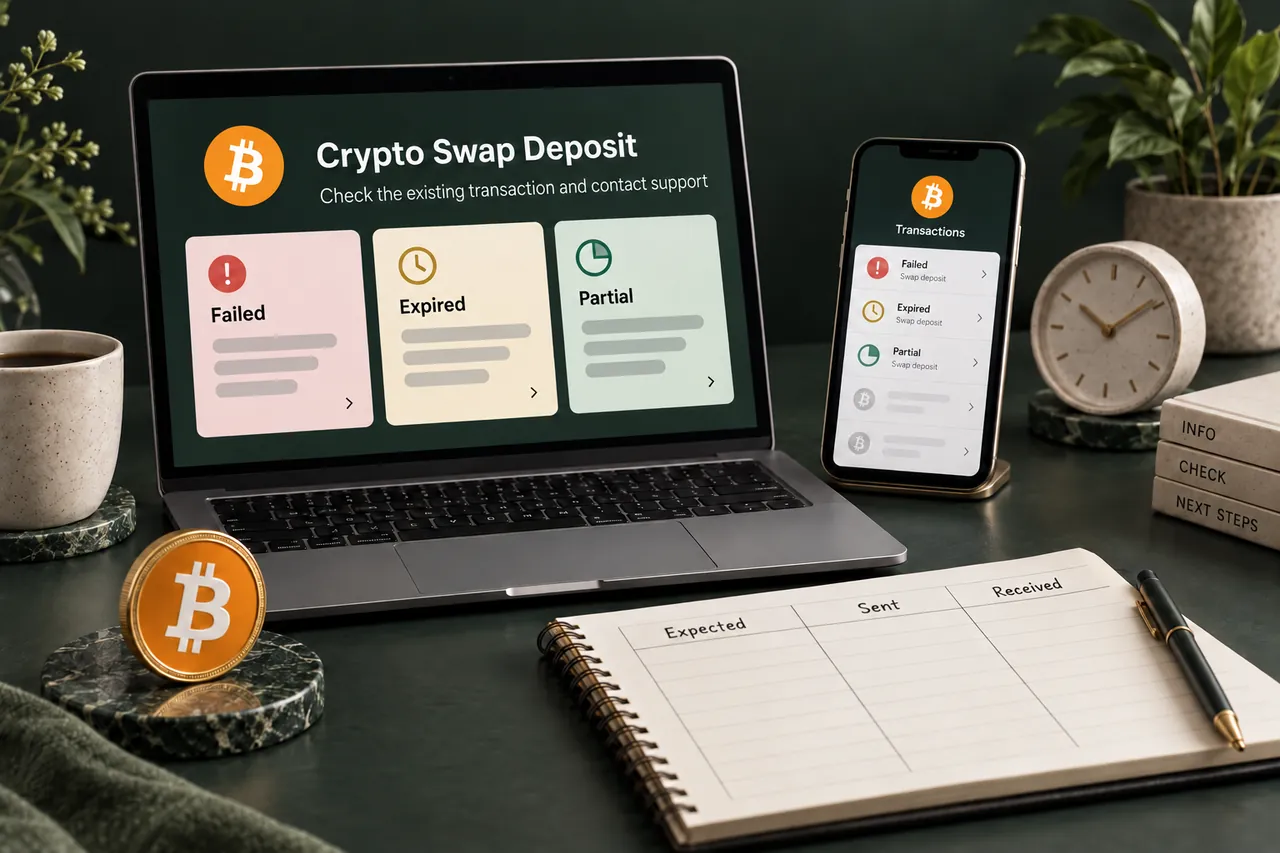
Failed, expired or short crypto-swap deposits: what to check next
Distinguish order expiration, failed source transactions and amount mismatches, preserve payment evidence and contact support without making a second accidental deposit.
NEAR and Aptos address checks: do not guess compatibility from a name
Compare NEAR and Aptos receiving-account conventions, native asset support and fee requirements before entering a provider recipient or funding a swap.

DOT wallet checks: exact chain, account minimums and available balance
Prepare a DOT swap without assuming every Polkadot chain or address format is interchangeable, and check current chain-specific minimum balance rules.