Start with the records that explain this particular order
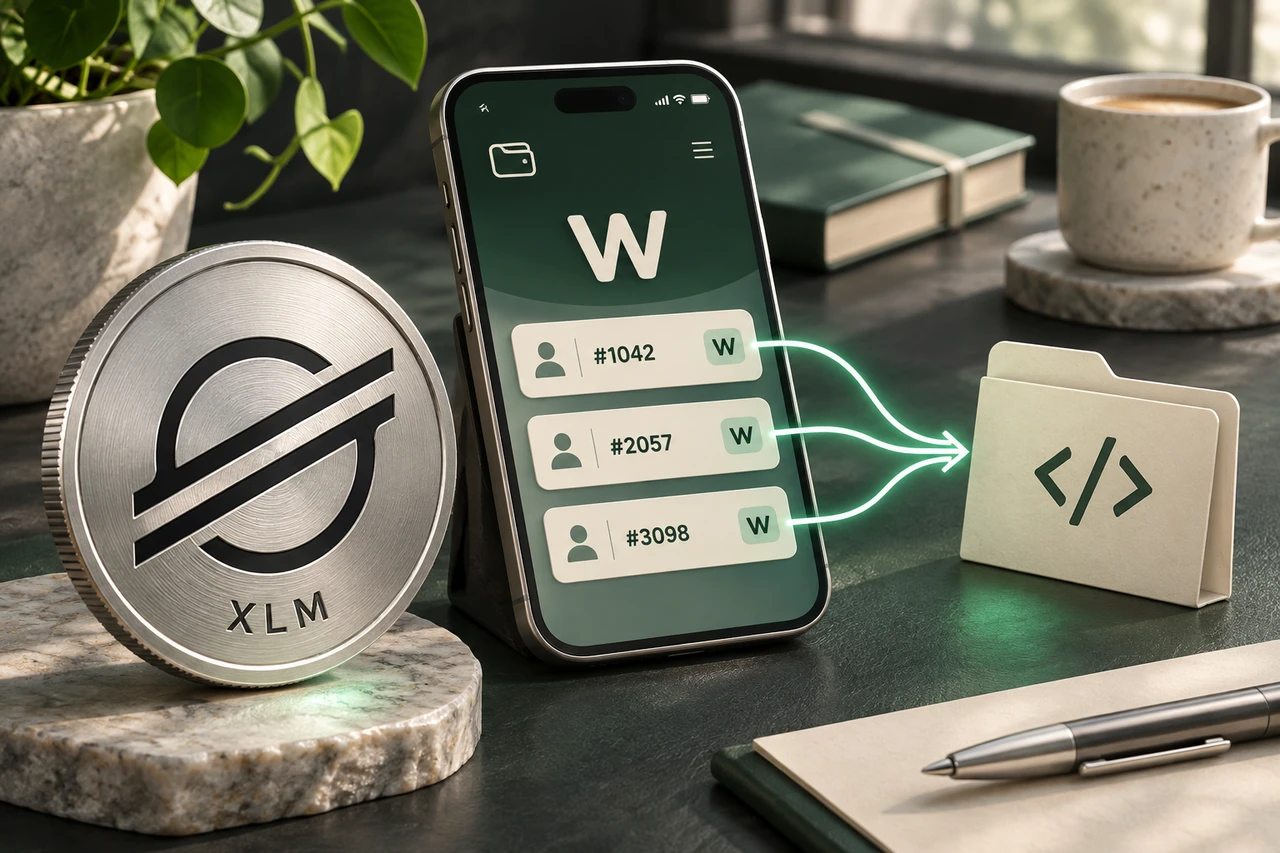
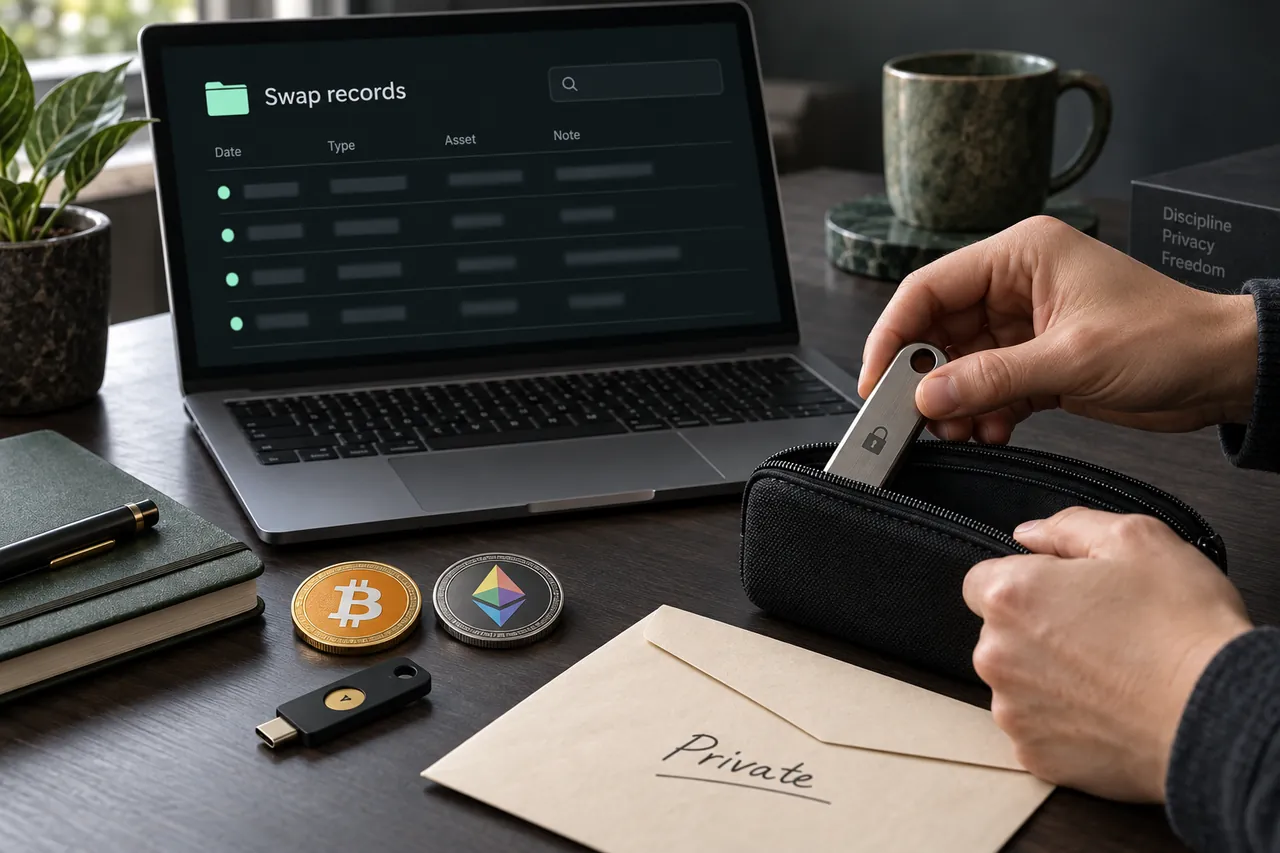
A practical swap record identifies the order, source asset and chain, destination asset and chain, expected deposit and recipient. Save the swap ID when it is created and retain the source transaction once sent. If a payout record becomes available, keep that separately labeled.
This is more useful than an unorganized folder of full-screen screenshots. Record the date, approximate time and timezone so a support timeline is understandable. You do not need to export the entire wallet or disclose unrelated addresses to explain one payment. The purpose is to establish what the order instructed and what transactions actually occurred.
A swap ID is different from a transaction hash
The swap ID identifies the provider order within the tracking workflow. A transaction hash identifies a blockchain event on a particular chain. A provider may also show its own order reference, while a sending exchange can have an internal withdrawal reference. Keep the role and network next to each identifier.
The site's adjacent copy icon copies the swap ID. Save the browser's order URL privately if you want to return to the same view. Do not assume that a payout hash can replace the order ID in every support lookup, or that a source exchange's internal reference is sufficient to inspect the payment on-chain.
After a confirmed depositPublic-chain evidence can reveal more than a balance
A public transaction record can expose addresses, amounts, timing and related activity. Sharing a screenshot with a forum or directory can connect those details to a name, social account or support conversation. A chain explorer link is not automatically private merely because it contains no password.
Before posting, ask whether the audience needs the complete identifier or whether a redacted description is enough. Do not alter evidence supplied privately to legitimate support in a way that makes it impossible to investigate; instead, use the proper channel and limit the case to the relevant records. Public discussion and private troubleshooting have different disclosure needs.
Local deletion does not erase every other copy
Removing browser history, a screenshot or a local note affects that local copy. It does not delete public blockchain transactions or guarantee that a provider, wallet, exchange or backup service holds no related data. A coin's privacy features also do not establish the record policy of every intermediary.
Review the actual services involved rather than claiming the complete route leaves no trace. Tornado Swap compares independent providers, which receive and process deposits under their own policies. Verification requirements and data handling can vary. An address-based interface without a wallet connection is not proof that every part of a swap is anonymous or unrecorded.
Worked example: a minimal support record
Imagine a user funds a hypothetical cross-network order and sees a delay after the deposit confirms. Their private note contains the swap ID, source chain and hash, instructed amount, net payment and latest displayed status. When contacting official support, they provide that concise case rather than a full wallet export.
If a payout later appears, they add its chain and transaction record and check the receiving service's credit status. This example demonstrates evidence organization, not a claim about retention time or a guaranteed support outcome. The note stays private unless the owner deliberately shares the relevant portion with the service investigating the order.
Secrets never belong in an order record sent to support
A seed phrase, private key, wallet password or complete recovery backup is not proof that should be sent to a swap support agent. Those secrets can grant control of funds beyond the payment being investigated. A transaction record and order ID serve a different evidentiary role.
Be skeptical of unsolicited messages requesting a signature, remote access or a payment to unlock a delayed payout. Open support through the site's own Contact us path instead of a search advertisement or direct-message link. If a service legitimately needs account verification, review that specific process without supplying wallet recovery credentials as a shortcut.
Keep records accessible without making them public
Choose storage appropriate to your own device and backup practices. A private folder or encrypted note can help organize the order, but consider who can access synced devices or shared accounts. Avoid placing real transaction records in public repositories, issue trackers or files intended for a website deployment.
Label records so a later reader can distinguish source payment, payout and optional refund. If you download a deposit QR, remember it encodes the address only and can still reveal which provider address you were instructed to fund. It is not a secret key, but it is also not a complete payment record or a reason to publish the rest of the order.
Review retention with purpose rather than a blanket promise
The appropriate retention period depends on your own accounting, support and other obligations. This guide does not prescribe a legal deadline or promise that a provider's lookup remains available indefinitely. Preserve needed evidence when the order is active rather than assuming the tracker will be your permanent archive.
The table separates useful records from sensitive credentials. Keep only what serves a defined purpose and dispose of local copies deliberately when appropriate, understanding the limits of deletion. Good privacy practice means controlling unnecessary disclosure while retaining enough accurate context to investigate a payment; it does not require claiming that a public transfer never happened.
| Record | Handling |
|---|---|
| Swap ID and order details | Save privately for tracking and support |
| Source and payout hashes | Label with their respective chains |
| Public screenshots | Review and redact unnecessary context |
| Seed phrase or private key | Never send to swap support |
| Downloaded deposit QR | Address only; not a complete payment instruction |
A FEW MORE DETAILS
Common questions
Does deleting my browser history remove the blockchain transaction?
No. Local deletion does not erase public-chain records or guarantee deletion by the other services involved.
Is a swap ID the same as a transaction hash?
No. The order ID identifies the swap; a hash identifies a specific chain event. Save and label both when relevant.
Should I send a seed phrase to prove a deposit?
No. Never disclose a seed phrase or private key to swap support. Use the order and public transaction evidence.
Can I assume a privacy coin means no provider records?
No. A coin's protocol properties do not establish the policies of providers, exchanges or wallets involved in the route.
Prepared by Tornado Swap to explain the swap workflow. Network conditions and provider offers can change; check the current order instructions before sending funds.