No account is a workflow choice
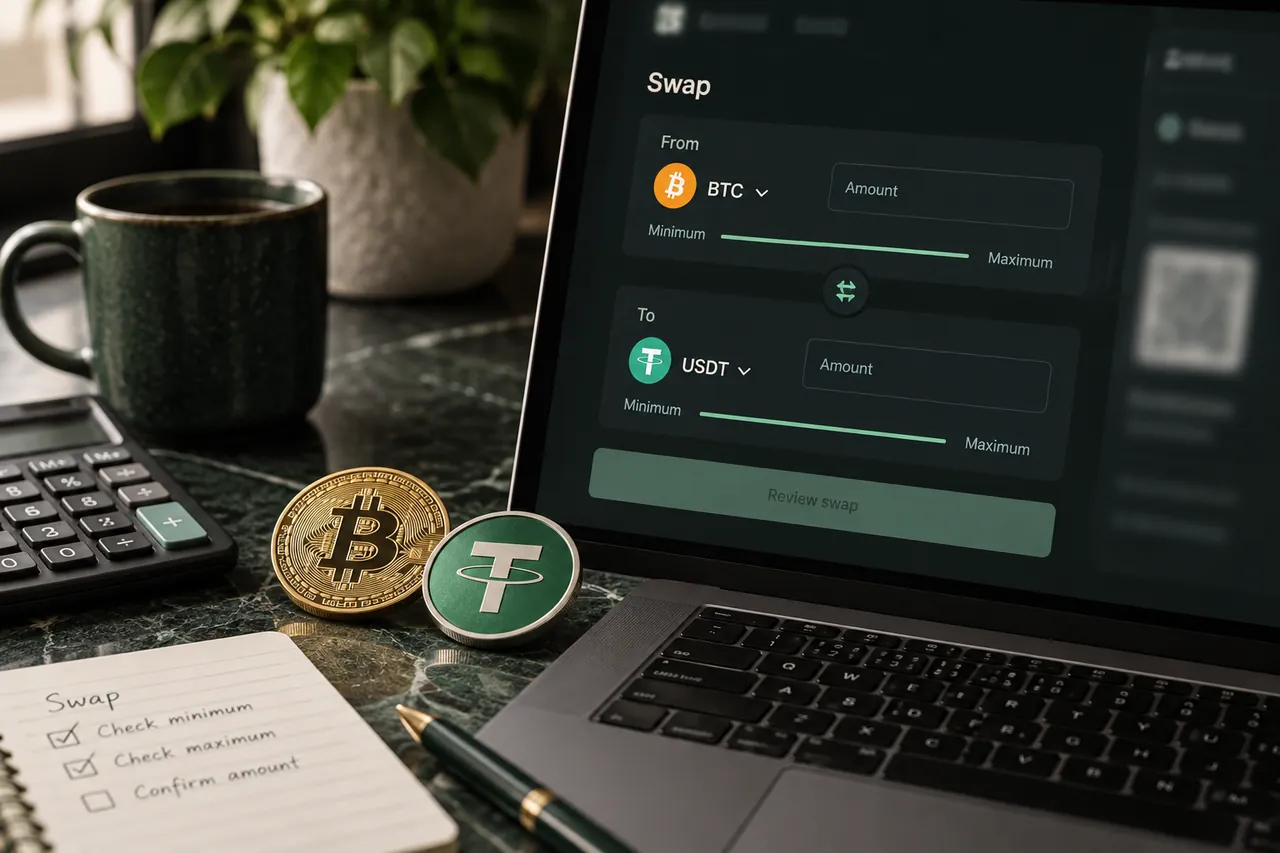
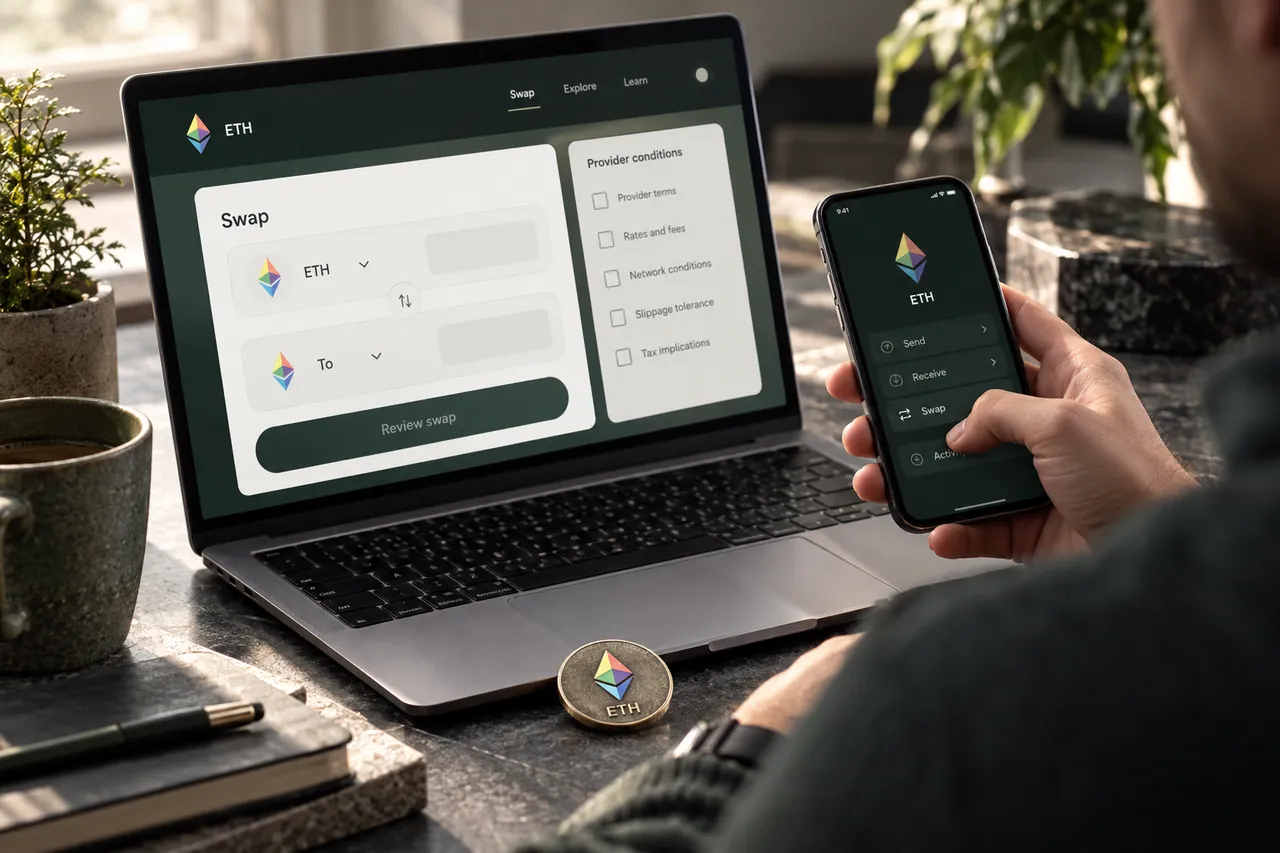
The Tornado Swap flow lets a user choose assets and networks, compare offers, supply a receiving address and create a provider order without a site login. It uses a normal wallet deposit rather than requiring a recovery phrase or wallet keys. The user retains the swap ID to return to the order status.
This differs from maintaining a persistent exchange account with a balance inside the interface. It also creates a practical responsibility: save the order reference and instructions yourself. The absence of a login should not be interpreted as a permanent personal account history or a guarantee that every record remains retrievable forever.
Verification belongs to the selected provider process
Providers can apply their own verification and risk policies. The interface’s lack of registration does not prevent the provider from requesting additional information under its conditions. Review those conditions before choosing an offer, especially if the possibility of verification affects whether you are willing to proceed.
Privacy or KYC ratings can help compare provider policies, but they are not guarantees. Do not use a rating as an assurance that checks can never occur for an order. If a provider’s process does not fit your requirements, stop before depositing rather than assuming the access design overrides its rules.
Wallet-to-wallet does not mean no intermediary
The visible journey begins in the sending wallet and ends in the receiving wallet, while the chosen provider handles the deposit and exchange between them. Tornado Swap does not itself custody funds. The provider’s temporary control and processing are still relevant counterparty exposure and should be part of the decision.
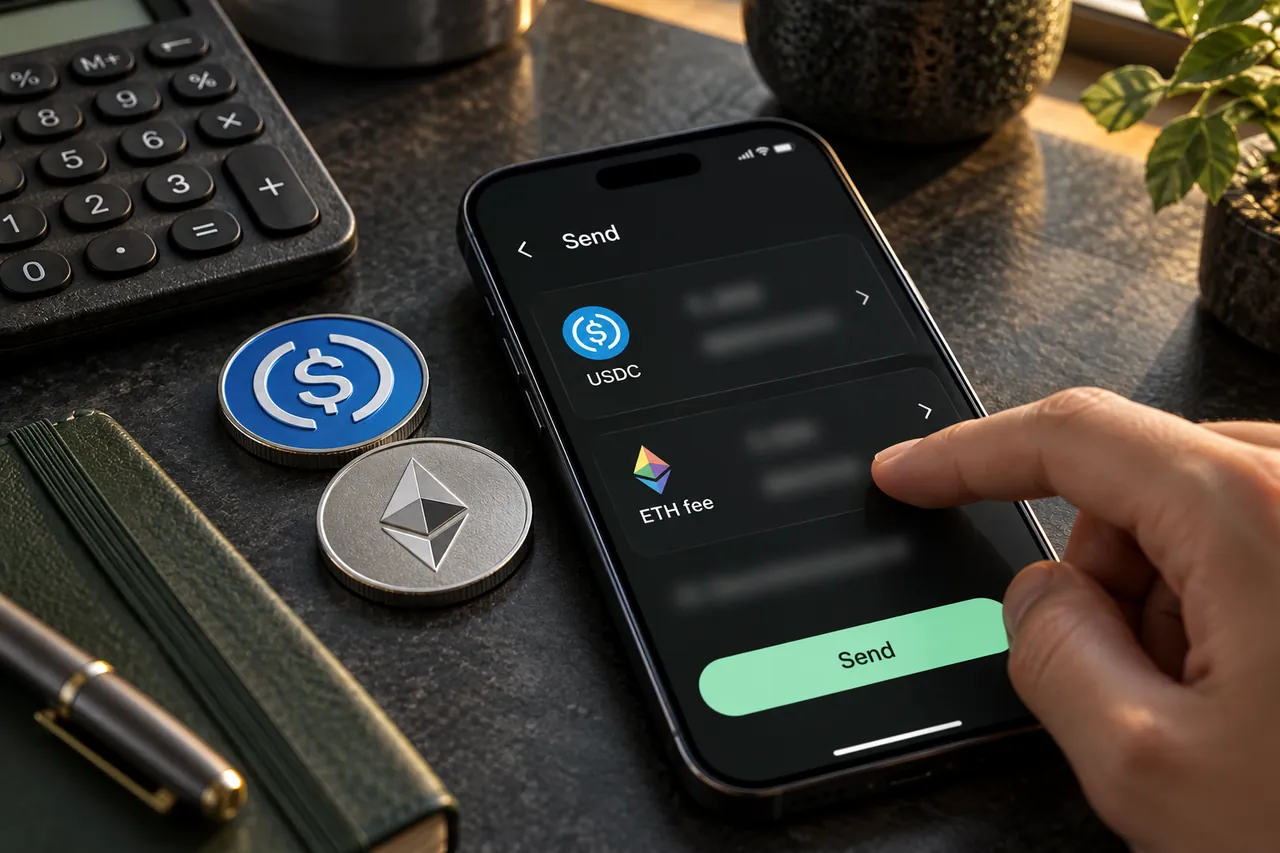
A provider deposit address is therefore different from your personal receiving address. Create the order before sending and follow its exact instructions. The normal wallet transfer authorizes the deposit; it does not remove the provider from the workflow. Calling the interface no-account is not a claim that the exchange is an atomic peer-to-peer protocol.
Privacy depends on several separate records
The route request and order contain the selected assets, amount, addresses and provider information needed to process the exchange. The sender and receiver can also retain their own wallet or platform records. The network transfers produce the evidence appropriate to their chains. Do not assume a minimal registration flow makes those records disappear.
The way you handle order information matters too. Public screenshots can reveal swap identifiers, addresses and financial activity. Keep necessary evidence privately, use the support route for questions and avoid sharing more than required. A privacy-oriented workflow is strengthened by careful handling of records, not by promising that no information exists.
| Phrase | Practical meaning |
|---|---|
| No account at interface | No site login needed for the displayed swap flow |
| Provider verification | Separate policies that can still apply |
| Wallet-to-wallet | User funds a provider deposit and receives a payout |
| No custody by interface | The selected provider still handles funds during processing |
| Privacy rating | Comparison information, not an unconditional guarantee |
A hypothetical user comparing policies first
Imagine a user wants to exchange a hypothetical 250 units of a stablecoin into a native coin. The user can compare offers without registering a Tornado Swap account. Before confirming, the user reads the selected provider policy and decides whether the potential verification and refund process are acceptable.
If those conditions do not fit, the user leaves the funds in the sending wallet and reassesses the available providers. If they do fit, the user reviews the recipient, creates the order and saves the swap ID and instructions. The example shows how minimal interface access and provider policy can coexist without promising a particular verification outcome.
Keep credentials separate from support evidence
The records needed to investigate a deposit are the swap ID, actual amount, asset, network and sending transaction reference. Recovery phrases, private keys and wallet passwords are not required to locate the order or inspect a transaction. A request for those secrets should not be treated as a normal part of support.
Use the contact route reached through the site and verify where you are before sharing order details. Avoid unsolicited messages that ask for another transfer to unlock a payout or propose restoring a wallet by entering its recovery phrase. The interface’s no-account design does not make an impersonator’s instructions part of the provider workflow.
Make the decision before the irreversible step
The best time to evaluate provider terms is before the deposit. Once a transfer is broadcast, changing a form selection does not rewrite that transaction or remove the original order conditions. Refund or mismatch handling depends on the provider process and technical facts, not simply on choosing a different offer afterward.
- Understand the no-login interface as an access feature.
- Read the selected provider’s verification and refund policies.
- Recognize that the provider temporarily handles the deposit.
- Save the swap ID and transfer evidence privately.
- Share only relevant support details and never wallet secrets.
A FEW MORE DETAILS
Common questions
Is no account the same as guaranteed no KYC?
No. The interface registration flow and the selected provider’s verification process are separate. Provider checks can apply under its policies.
Do I need to connect a wallet?
The displayed flow uses receiving details and a normal deposit transfer. It does not require sharing wallet keys or a recovery phrase to compare routes or create an order.
Does Tornado Swap hold a trading balance for me?
The interface does not itself custody the deposit or maintain a trading balance in this flow. The selected provider receives and processes the exchange funds.
What should I save without an account history?
Keep the swap ID, confirmed instructions, sending hash, amount and networks. Those records help you return to the order and investigate its status if needed.
Prepared by Tornado Swap to explain the swap workflow. Network conditions and provider offers can change; check the current order instructions before sending funds.