Check whether a Bitcoin transaction actually exists
Start in the sending wallet or exchange history. A withdrawal request can have an internal reference before a Bitcoin transaction is broadcast. If the platform has not supplied an on-chain reference, inspect its withdrawal status and any review or maintenance notice. The provider cannot recognize a network payment that has not reached the network.
If a hash is available, confirm that it belongs to the Bitcoin network used by the order. Keep it beside the swap ID rather than substituting one for the other. A hash identifies the transfer evidence; the swap ID identifies the provider exchange workflow. Both are useful when the displayed stage seems inconsistent.
Broadcast and confirmation are different milestones
A broadcast transaction can be visible before it is included in a block. Confirmation is a later network event. Fee conditions and network activity can influence waiting time, and a provider can apply its own acceptance threshold. A wallet estimate is not a guaranteed end-to-end time for a cross-network exchange.
Inspect the current transaction status instead of interpreting elapsed time alone. If it remains unconfirmed, the relevant evidence is on the deposit network. Avoid assuming that a successful previous swap establishes how long this transaction must take. Different wallet settings and network conditions can produce a different result.
Verify that the transfer matches the order
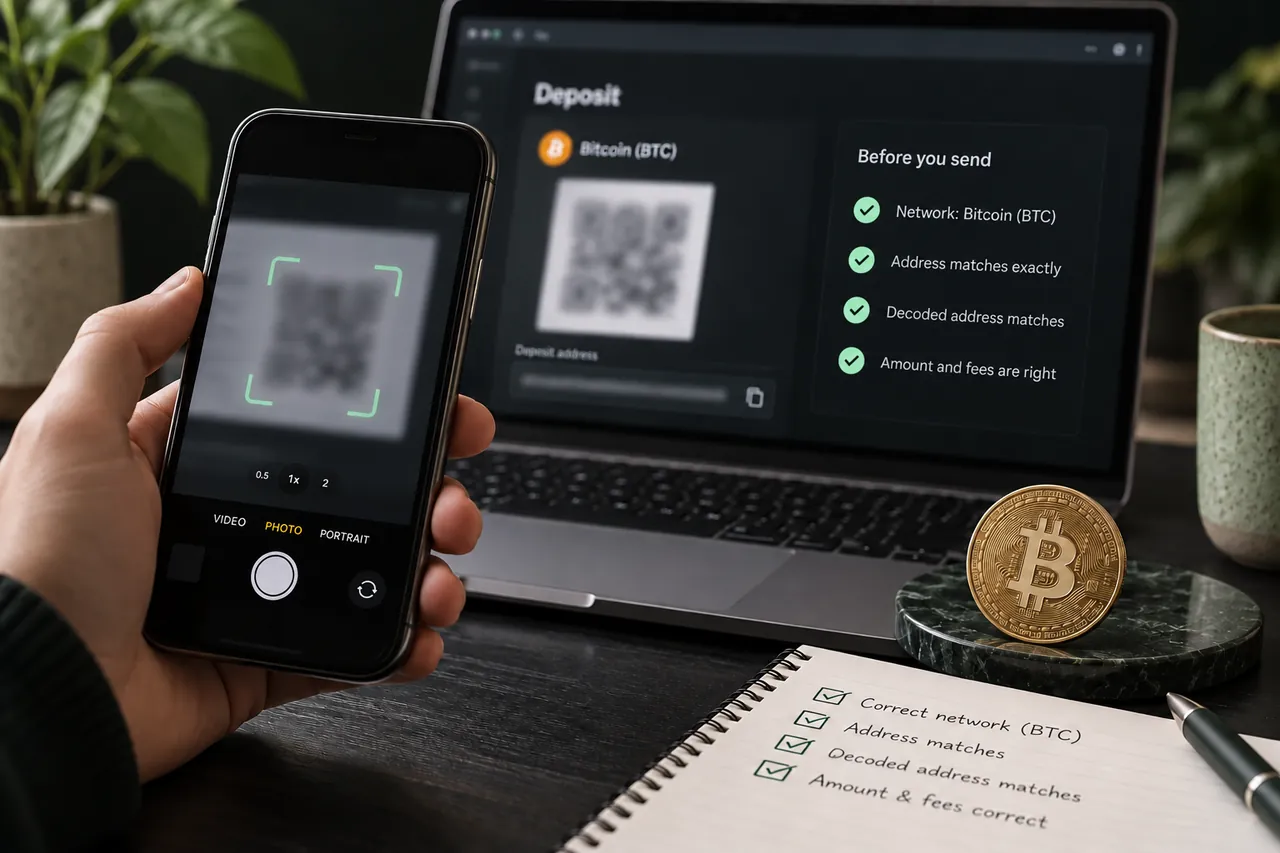
Compare the complete deposit address, native BTC network and amount with the confirmed provider instructions. A confirmed payment can still be the wrong payment for the order if it was sent to another address, arrived in the wrong amount or used a different asset representation. Confirmation does not correct an instruction mismatch.
If an exchange deducted a withdrawal fee, compare what actually arrived with what the order requested. Save the withdrawal preview or sending record if it explains the difference. Do not top up or split the order without provider instructions; additional transfers can complicate a mismatch that needs a specific support resolution.
Provider recognition is a separate operational step
The provider receives and processes the deposit, while Tornado Swap displays the exchange workflow. A recognized deposit can still require confirmations, provider checks or exchange processing before payout. Provider-side verification may apply under the selected terms. A no-account interface does not eliminate those conditions.
Check the same order status and preserve the provider name, amount and timing information. If the Bitcoin transaction appears to satisfy the instructions but the order has not recognized it, contact support with that evidence. A precise description is more useful than a screenshot that shows only the wallet’s reduced balance.
| Observed state | First useful check |
|---|---|
| Withdrawal requested | Sending platform broadcast status |
| Hash visible, no confirmations | Bitcoin transaction status and wallet fee information |
| Confirmed transfer, order waiting | Address, amount and provider recognition |
| Provider processing | Current order status and selected provider conditions |
| Payout reported | Receiving-network evidence and destination credit rules |
A hypothetical pending deposit investigation
Suppose a user creates an illustrative BTC-to-ETH order and submits an exchange withdrawal. At first the exchange shows only a request number, so the user waits for its broadcast record rather than reporting that the provider has the funds. Later a Bitcoin hash appears, and the user checks that its output matches the order address and amount.
When confirmations appear, the user follows the original swap ID for provider processing. The ETH payout is a separate transfer checked on the destination network. The example has no promised duration or universal confirmation count. It shows how the right reference changes as the workflow advances.
Build a useful support message
Include the swap ID, selected provider, BTC amount requested, actual amount sent, deposit address, Bitcoin hash and approximate send time. State whether the sending platform reports a broadcast and whether the transaction shows confirmations. Mention any deadline or amount mismatch you found rather than leaving support to infer it.
- Find the actual Bitcoin transaction reference.
- Check broadcast and confirmation state on the correct network.
- Compare address and amount with the confirmed order.
- Follow provider processing through the original swap ID.
- If unresolved, share the relevant evidence privately through support.
A FEW MORE DETAILS
Common questions
How many Bitcoin confirmations does every swap need?
There is no single acceptance rule for every provider and order. Read the selected provider instructions and current order status rather than relying on a universal number.
My wallet says sent. Why does the order wait?
Sent can describe broadcast or an outgoing wallet record. The provider still needs to recognize the correct deposit under its conditions before processing and payout.
Should I send again if the page looks stuck?
No. Inspect the existing transfer and order first. A duplicate deposit can create a separate problem while the original transaction is still being processed.
Does a confirmed BTC deposit mean my receiving coin is paid?
No. Deposit acceptance, exchange processing and payout are distinct stages. Use the receiving-network reference and destination wallet to confirm the final result.
Prepared by Tornado Swap to explain the swap workflow. Network conditions and provider offers can change; check the current order instructions before sending funds.