Describe the full starting and ending balances
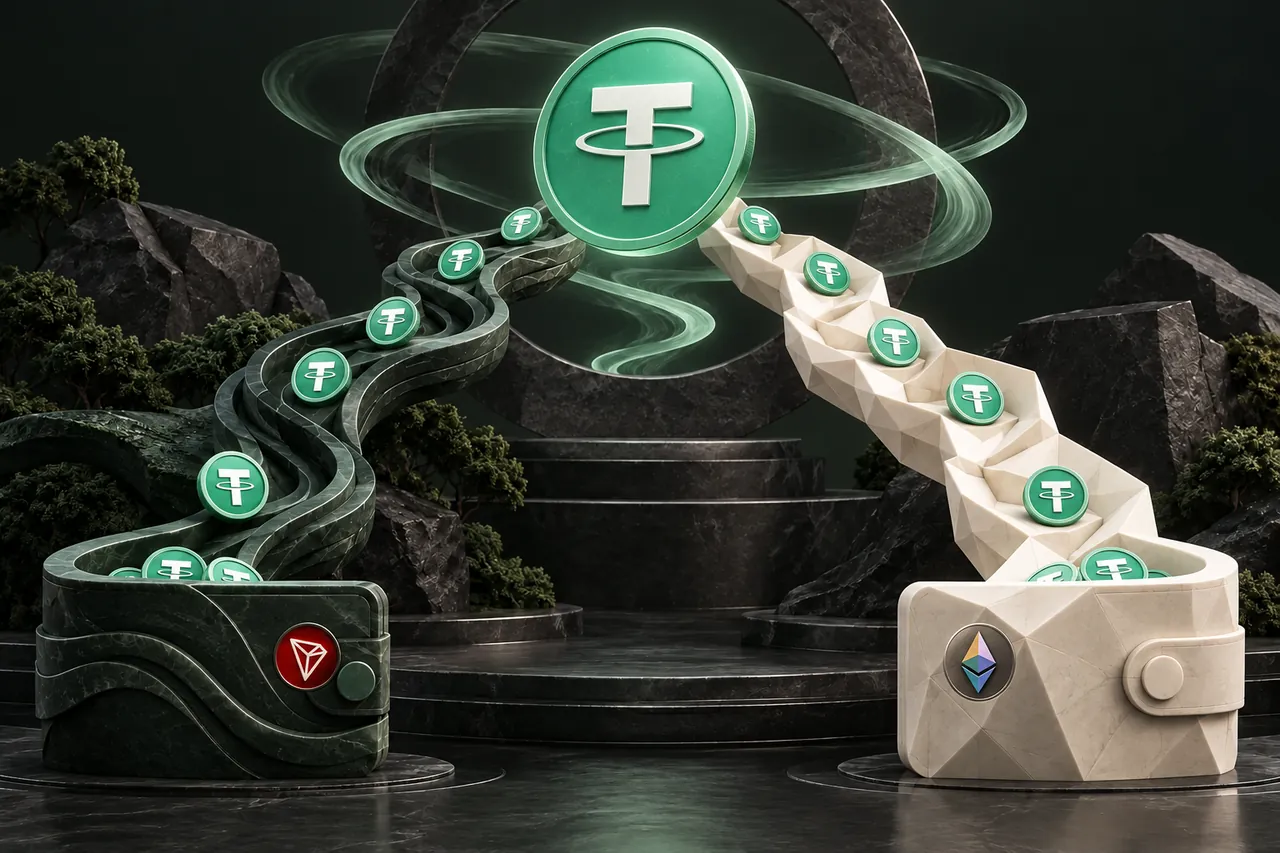
Begin with the actual USDT balance in the sending wallet. Record its network, then obtain the receiving wallet’s USDC deposit instructions. For the example in this guide, the sending version is USDT on TRON and the receiving version is USDC on Ethereum. Other versions require their own exact selections and current provider offers.
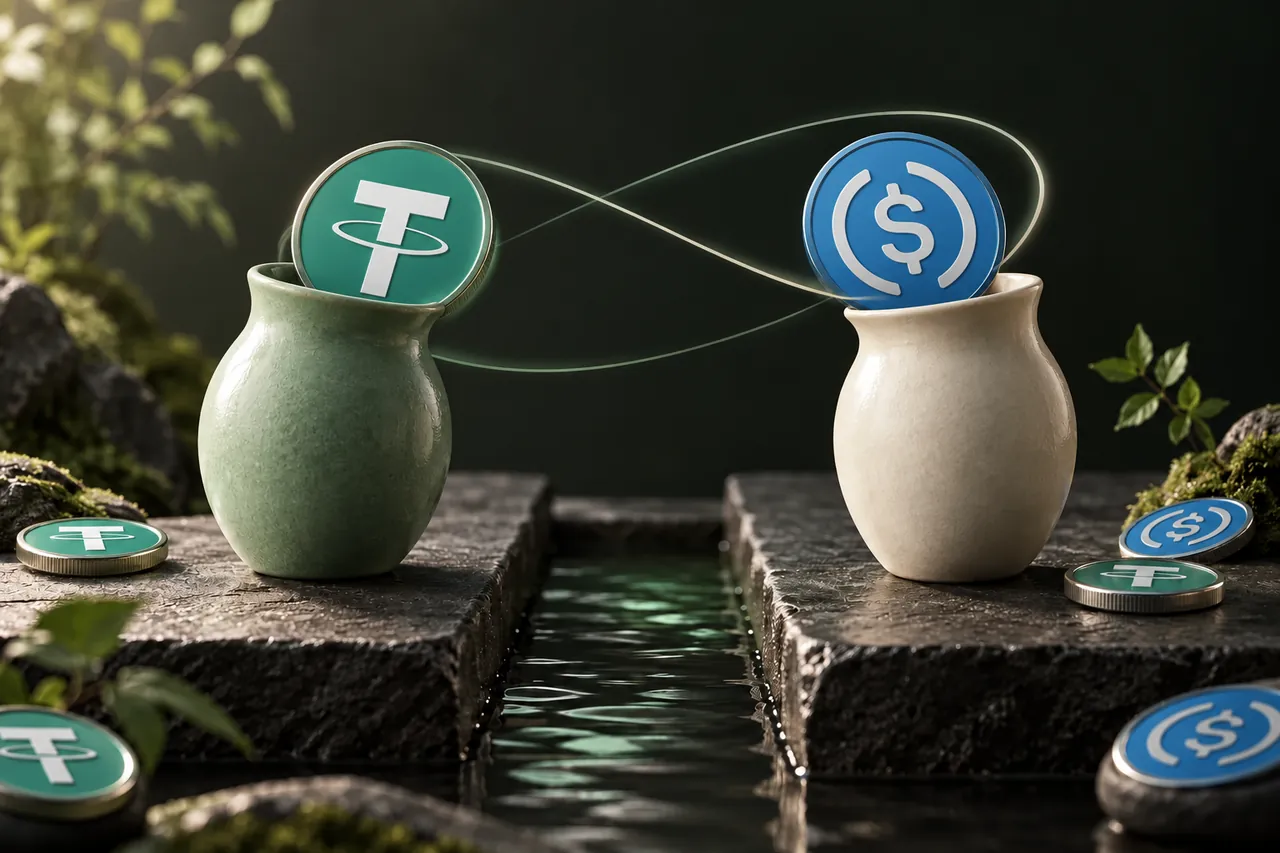
Do not move a USDT token directly to a USDC deposit address and expect a conversion. A token transfer sends the selected token on its current chain. The provider exchange is a separate process created through an order, with a sending-side deposit address and a receiving-side recipient. Both asset identity and network must match those roles.
Understand USDT TRON and Ethereum versionsCheck what the destination calls USDC
A receiving platform may distinguish native issuer-issued USDC from bridged representations. Follow its supported-token instructions and any identification details it provides. A familiar ticker in a wallet list does not establish that a custodial service credits that token version. Resolve suffixes, network labels or contract requirements before creating the swap.
For self-custody, verify which chain you intend to use after receiving the USDC. A lower-cost route to another chain may not be useful for the next application. For an exchange account, check its current deposit minimum and whether that network is operating. An on-chain payout can arrive correctly yet remain uncredited if it conflicts with destination policy.
Compare USDC network balancesCompare a stablecoin quote as an exchange
Enter a deliverable USDT amount and click Find the best route for live offers to the selected USDC version. Providers can have different output amounts, limits, rate terms and temporary availability. Do not assume that sending 500 USDT necessarily produces 500 USDC. Both provider economics and the route conditions affect the quoted result.
Keep the separate cost of sending the deposit in the comparison. A self-custody transfer can need the sending network’s fee asset or resources; an exchange withdrawal may deduct its own charge. Compare offers using the same actual deposit amount. Subtracting a guessed fee twice can make a sensible quote look worse than it is.
A hypothetical net-output comparison
Suppose a user wants to fund a hypothetical order that requires a 500 USDT deposit. Provider A estimates 497 USDC and provider B estimates 496 USDC for the same selected networks and deposit. Those figures are illustrative, not current rates. The user also checks a separate sending-platform fee and each provider’s terms.
If both offers are otherwise acceptable, the user compares the usable USDC result rather than the headline dollar reference of the tokens. If the sending exchange deducts 2 USDT from an entered 500, the actual 498 deposit would not match an order expecting 500. The withdrawal preview must be reconciled before confirmation, not after the mismatch occurs.
Review three destinations independently
The USDC recipient must accept the receiving network. The provider deposit address must accept the original USDT version. A refund address, if provided, must accept the original sending asset and network under the provider process. A single address appearing compatible with multiple EVM networks does not eliminate these independent checks.
Review the selected provider, rate mode, recipient and any required memo in wallet details before confirming the order. Tornado Swap supplies the interface; the chosen provider receives the deposit and handles processing. Its verification requirements and handling of errors still apply. Avoid treating no-account access as an unconditional promise about provider policy.
| Question | Why it matters |
|---|---|
| Which USDT do I hold? | Determines the sending network and deposit instructions |
| Which USDC can I use? | Determines destination network and token acceptance |
| What reaches the provider? | Determines whether the deposit matches the order |
| What arrives at my wallet? | Determines the usable result after the exchange |
Transfer only after the provider order exists
Create the order, then copy or scan its generated deposit address. The QR carries the address only, so enter the exact amount and any separate instruction yourself. Check the sending wallet network and the full decoded destination. Do not reuse the deposit address from a previous stablecoin exchange simply because the token labels look familiar.
Save the swap ID and transaction hash when broadcasting. Track deposit recognition and provider processing through the same order. If a payout is reported, inspect the USDC balance on the selected chain. Wallet token visibility, exchange crediting and a provider payout are different checks and should be investigated with the corresponding evidence.
Plan for the balance after it arrives
A stablecoin swap changes operational exposure as well as a ticker. Consider the issuer, supported chain, token version and the service you intend to use afterward. Neither token’s reference value guarantees a provider exchange rate, redemption eligibility or uninterrupted transfer support. Keep the expected use in view while choosing the destination.
If the USDC will be sent onward from self-custody, check the destination network’s fee requirements before relying on the new balance. A wallet may need its native fee asset for that next transfer. If the funds will remain on a custodial platform, review that platform’s own withdrawal conditions separately from the completed swap.
A FEW MORE DETAILS
Common questions
Are USDT and USDC always exchanged one for one?
No. Provider quotes, costs and market conditions determine the exchange result. Their intended reference value does not guarantee an identical output amount.
Can a swap change the stablecoin and network together?
A provider may offer that exact route, subject to current availability and limits. Select both sides precisely and confirm that the destination accepts the resulting token version.
Does the USDT deposit QR include the amount?
The current deposit QR represents the address only. Enter the order amount and any separately required instructions and check the wallet preview before sending.
Why should I check a native versus bridged USDC label?
The receiving platform can accept only a particular token representation. A ticker match does not guarantee that it will credit every contract or network version.
Prepared by Tornado Swap to explain the swap workflow. Network conditions and provider offers can change; check the current order instructions before sending funds.